Greek (el-GR)
  Turkish (Turkey)
  简体中文(中国)
  English (United Kingdom)
We put our Dual-Powder Laundry Pods to the test against the industry standard—the 24g Tide Pod—using AISE-recommended benchmarks. By utilizing a 23g dual-phase design (15g liquid + 8g powder), we’ve achieved a breakthrough in efficiency. The powder component is strategically split to isolate active oxygen (Sodium Percarbonate) from our advanced enzyme and SRP complex. The result? A product that matches Tide’s cleaning power at a lower cost, with the added benefit of superior sanitization thanks to the natural properties of active oxygen.
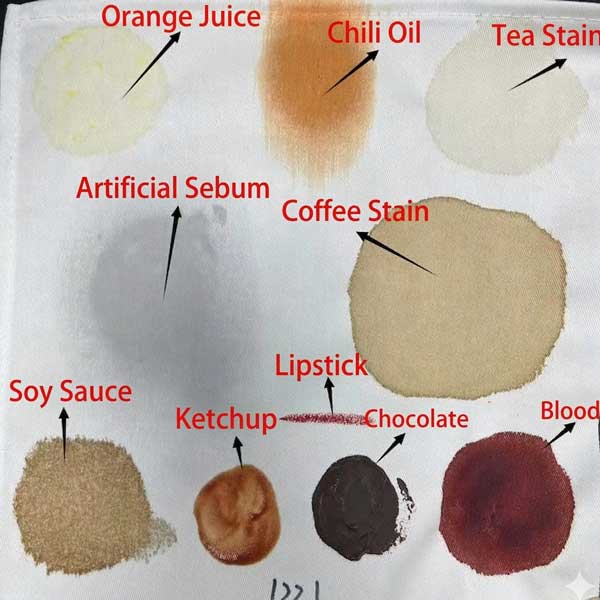
The selected stains represent a rigorous and well-rounded evaluation of detergent efficacy, covering the four primary challenges in laundry industry:
-
Bleachable & Tannin-Based Stains (Orange Juice, Tea, Coffee):
-
Strategic Focus: These stains specifically test the oxidative power of the Active Oxygen (Sodium Percarbonate). Since standard liquid pods struggle to stabilize bleaching agents, these results are critical to proving the technical superiority of your dual-phase (Liquid + Powder) system.
-
-
Protein-Based Stains (Blood, Chocolate):
-
Strategic Focus: These are highly stubborn "organic" stains. They evaluate the bio-catalytic activity and stability of the Multi Enzyme blend within the powder phase, especially regarding protein and fat breakdown and carbon-linkage disruption.
-
-
Oily & Sebum-Based Stains (Artificial Sebum, Chili Oil, Lipstick):
-
Strategic Focus: These simulate daily "body soil" (collars/cuffs) and heavy hydrophobic greases. They test the Surfactant system’s ability to emulsify fats and lift pigments trapped in oil and the enzymes.
-
-
Particulate & Complex Food Stains (Soy Sauce, Ketchup):
-
Strategic Focus: These stains contain a mix of thickening starches and caramel colors. They assess the synergy between Chelating agents and Soil Release Polymers (SRP) in preventing soil redeposition.
-
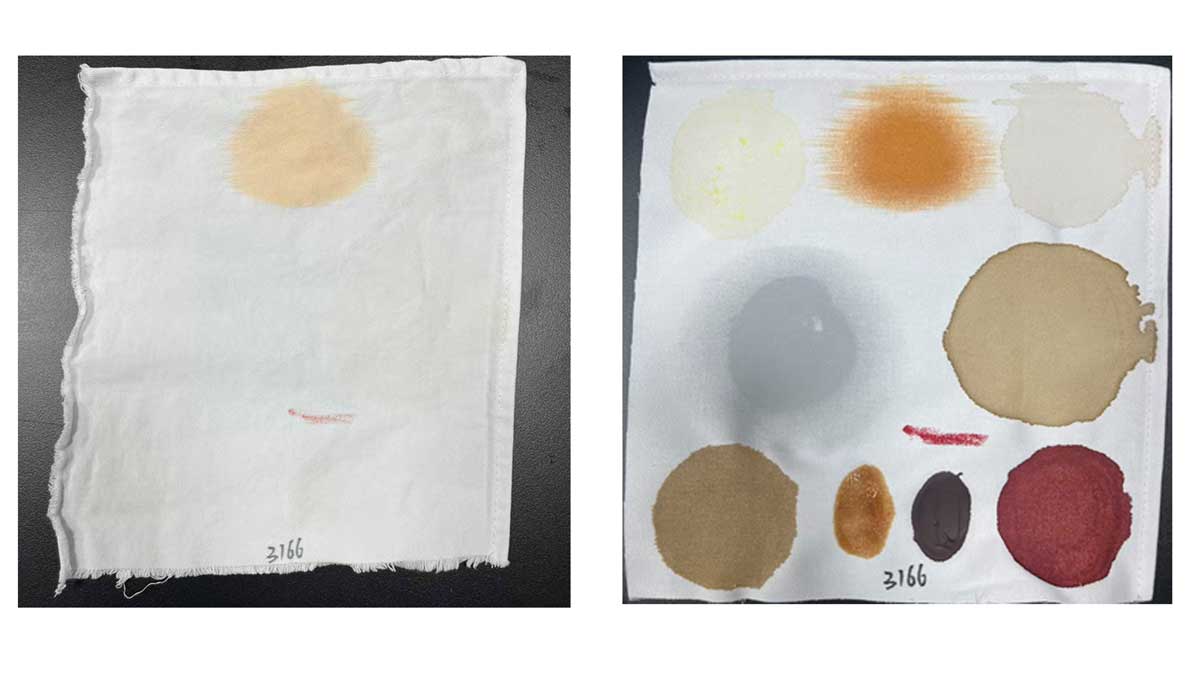
Performance and Cost-Efficiency Report: Dual-Powder vs. Tide Pods
Our latest laboratory benchmarks confirm that at a wash temperature of 30°C, our Dual-Phase formulation—fortified with Sodium Percarbonate (SPC) and a specialized catalyst—successfully matches the cleaning performance of the 24g Tide Pod.
Remarkably, despite the superior performance, our 23g (15g Liquid + 8g Powder) design maintains a significantly lower cost profile than the benchmark. This competitive advantage is driven by the following five strategic factors:
1. Cost-Effective Raw Material Substitution
Sodium Percarbonate (SPC) serves as a high-performance active ingredient at a price point substantially lower than the complex solvents and specialized high-tier surfactants required to maintain efficacy in all-liquid concentrated formulas.
2. Utilization of Economical Fillers and Builders
The powder phase incorporates Sodium Carbonate, an exceptionally cost-effective and widely available raw material. It functions as both a powerful builder and a pH regulator, delivering high value without the premium cost of liquid-equivalent alkalis.
3. Optimized Enzyme Stability and Sourcing
The multi-compartment "partitioning" design shields enzymes from the chemically aggressive environment of a concentrated liquid. By ensuring enzymes only activate during the wash cycle, we can utilize cost-optimized enzyme grades without compromising shelf-life or bio-activity.
4. Streamlined Liquid Phase Complexity
By moving the bleaching and alkalizing functions to the powder chamber, the liquid phase becomes less complex. This allows us to concentrate the liquid formula on high-performance surfactants dedicated solely to soil removal, maximizing the "bang-for-your-buck" in terms of surfactant concentration.
5. Breakthrough Low-Temperature Bleaching
The addition of a high-efficiency catalyst enables effective bleaching at extremely low temperatures, effectively breaking the thermal barrier of traditional TAED (which typically requires higher temperatures to activate). This ensures premium performance in cold water, which is a major consumer pain point, while maintaining a lean cost structure.
Our comparative testing reveals that the Dual-Powder, Multi-Liquid (DPML) pod represents a paradigm shift in product architecture. Unlike traditional designs that force all ingredients into a single-chamber 'compromise,' this new approach allows each component to be strategically assigned and combined based on its unique chemical properties. By transitioning to a modular functional design, we have expanded our raw material selection from simple single-state ingredients to complex, multi-state systems. While the complexity of individual formulations is reduced, the collective synergy delivers a massive leap in overall cleaning performance.